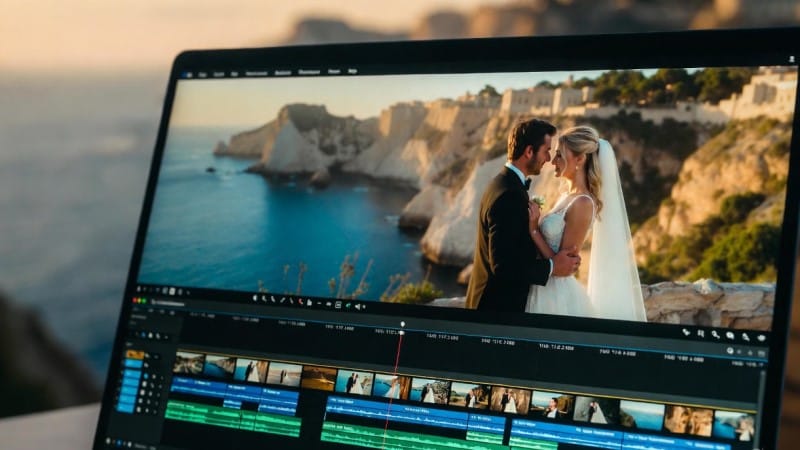
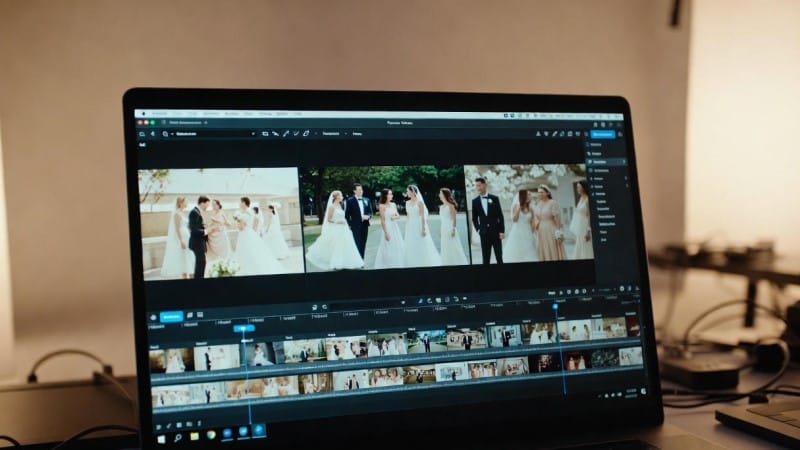
In today’s wedding industry, couples often spend thousands of dollars hiring luxury venues, high-end photographers, and skilled videographers—but very few understand that the true magic happens after the event, during the editing phase. In 2025, professional wedding video editing has become more valuable, more important, and more transformative than the raw footage itself. No matter how talented the videographer is, the emotional impact, cinematic quality, and storytelling excellence of the final wedding film depend entirely on the editor.
This shift has changed the industry dramatically. Couples now expect wedding films to look like Netflix romance trailers—smooth transitions, color-consistent visuals, powerful storytelling, cinematic sound design, and modern pacing that matches social media trends. Wedding editing is no longer a technical skill; it is an art form that defines how the wedding will be remembered for generations.
At Edit My Reels, we’ve edited weddings from luxury hotels in Dubai to vineyards in Italy, cultural ceremonies in India, beachfront weddings in the Maldives, and intimate backyard weddings in Europe. Regardless of location or style, one thing remains constant: raw footage is only the beginning. The editor shapes the story, corrects imperfections, enhances the beauty, and crafts the emotional landscape that becomes the couple’s lifelong memory.
Modern weddings are challenging productions. Videographers shoot with multiple cameras, drones, gimbals, slow-motion rigs, and audio recorders, often capturing over 400–800 clips in a single day. These clips come from different environments—bright morning preparations, indoor ceremonies, outdoor photoshoots, sunset receptions, candlelit dinners, and nighttime parties. Each environment has its own lighting, color temperature, shadows, highlights, and exposure challenges. No camera can balance all of this automatically.
This is why color correction has become the number-one requirement for premium wedding editing. Even small changes in light can make skin tones look unnatural or scenery look dull. When different cameras are used—Sony, Canon, Blackmagic, or RED—the footage varies drastically. Professional editors harmonize all these clips to ensure the entire wedding film looks consistent, cohesive, and visually stunning. This is not something LUTs can achieve alone. It requires manual tonal adjustments, color fine-tuning, highlight recovery, selective exposure control, and detailed correction work that only experienced editors can perform.
The emotional storytelling aspect of wedding editing has also evolved. A wedding film is not a chronological video of events—it is a crafted narrative that reflects the couple’s personality. Some couples want a soft romantic tone with slow music and natural transitions. Others prefer a modern, upbeat edit with bold sound design, fast cuts, and cinematic endings. Editors study the couple’s style, cultural background, speech content, music preferences, and relationship dynamic to design a narrative flow that feels personal and meaningful.
One of the biggest differences between amateur and professional wedding editing is pacing. Too slow, and the video becomes boring. Too fast, and emotional moments are lost. The perfect pace elevates emotion and brings viewers into the story. Editors analyze voiceovers, vows, speeches, facial expressions, reactions, tears, laughter, and atmosphere to determine the rhythm of the film. A well-paced wedding video can make viewers cry even if they don’t know the couple.
Sound design is another area where modern editing has become highly sophisticated. Raw wedding audio is often full of background noise—wind, crowd chatter, microphone rustling, traffic, AC hums, and random disturbances. Professional editors clean the audio using tools that remove unwanted frequencies while preserving clarity. They add atmospheric sound layers like ocean waves, soft wind, or subtle reverb to enhance immersion. Music is sync’d to emotional beats, transitions, and key storytelling moments, giving the film cinematic structure.
Additionally, modern weddings involve high-speed events that require technical stabilization. Dancing shots, walking sequences, drone flights, and handheld moments can look shaky in raw form. Editors use advanced stabilization software to smooth motion without losing natural movement. This is crucial for maintaining the cinematic aesthetic that couples expect today.
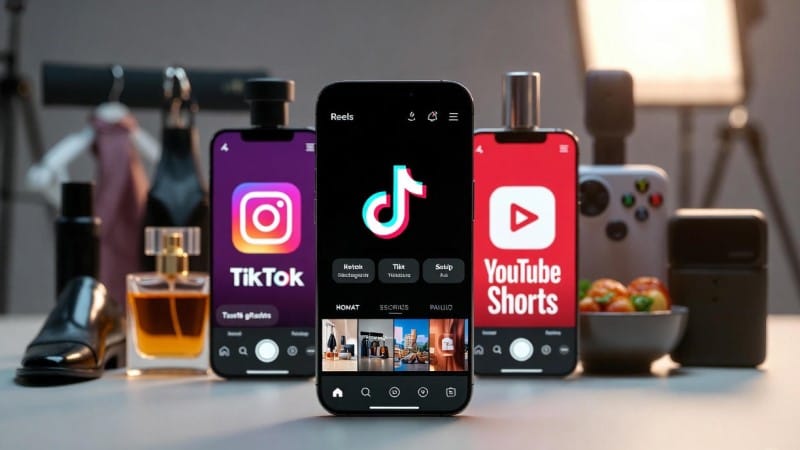
In 2025, another transformation has changed wedding editing forever: the rise of social media–optimized short form edits. Couples expect a full-length cinematic film, but they also want:
– 30-second teaser reels
– 9:16 Instagram Reels
– TikTok-style fast transitions
– Vertical highlight cuts
– Trailer-style edits
– Drone-only montages
Each of these formats requires a different editing approach. Vertical framing requires reframing shots perfectly, cropping without cutting important subjects, and adjusting composition for portrait mode. Editors must ensure nothing looks distorted, clipped, or awkward.
Short-form content has also increased the importance of trend-based editing. In 2025, couples often request edits inspired by viral trends—slow-zoom romantic cuts, hyperlapse transitions, match cuts, speed-ramping sequences, luxury travel-style cinematography, and editorial-style wedding highlights. These edits require creative vision and technical experience, not just software.
Another major reason editing matters more than footage is that editors rescue imperfect situations. Sometimes lighting fails, microphones glitch, or key moments are captured awkwardly. Professional editors can fix exposure issues, restore color, remove objects from frames, enhance audio clarity, stabilize shots, and reframe compositions—all of which protect the visual quality of the final film.
In this era of AI, professional wedding editing has become even more precise. AI tools assist with scene detection, noise reduction, color matching, and auto-tagging clips, allowing editors to focus more on creativity and storytelling. But AI cannot replace emotional understanding. It cannot decide which moment matters most to a couple, how to build tension, or where to slow down for impact. That human creativity is what transforms a wedding film from a video into an emotional masterpiece.
At Edit My Reels, our editing process is designed to maximize both cinematic quality and emotional value. We study the couple’s raw footage deeply, identify the strongest emotional moments, craft a story arc, grade every clip to professional standards, design a soundscape that enhances the atmosphere, and produce multiple versions optimized for different platforms. Our editors combine artistic talent with technical skill, ensuring that every film feels premium, timeless, and emotionally powerful.
Wedding memories fade, but wedding films do not—if they are edited well. A beautifully edited wedding video becomes an heirloom, a cinematic story that future generations can watch and relive. This is why in 2025, the editor is the storyteller, the artist, and the guardian of memories. Raw footage is simply the canvas; editing is the masterpiece.
For premium wedding video editing, visit editmyreels.com.