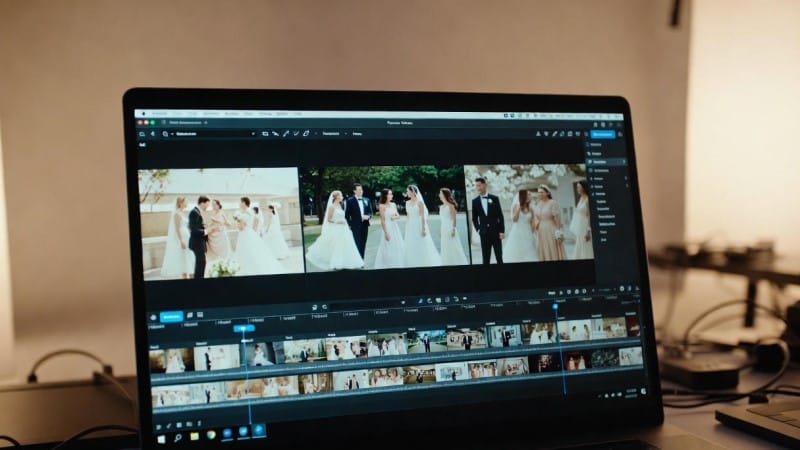
Destination weddings have become one of the fastest-growing trends in the global wedding industry, and not just because couples want exotic backdrops. In 2025, wedding videos are no longer simple documentation—they are cinematic experiences that blend travel cinematography, emotional storytelling, lifestyle aesthetics, and high-end post-production. Couples who travel to beaches, mountains, deserts, or historic European cities want their wedding film to feel like a movie trailer, not just a video memory. This shift has created an entirely new demand in the editing world: advanced destination wedding video editing, a niche that requires both artistic sensibility and technical mastery.
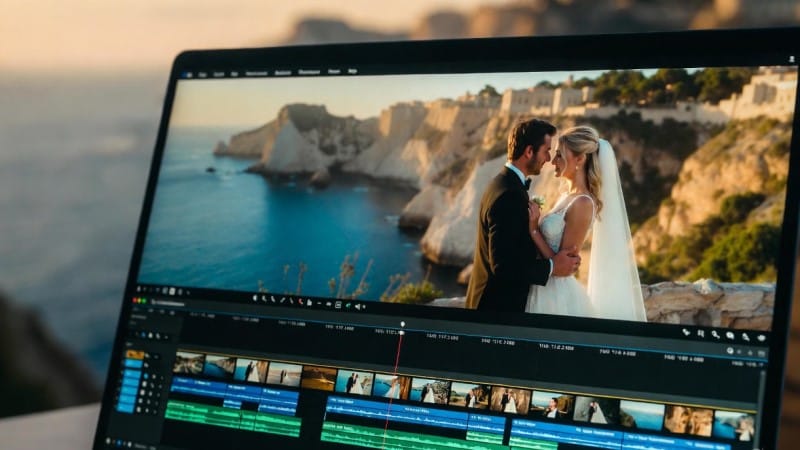
At Edit My Reels, we’ve worked with couples who get married on cliffsides in Santorini, palaces in Rajasthan, islands in Thailand, vineyards in Italy, and luxury resorts in Dubai. What all these weddings have in common is that the footage is beautiful—but very challenging. Destination weddings involve unpredictable lighting conditions, fast-changing weather, multi-location shoots, drone sequences, cultural elements, and spontaneous moments that must be balanced seamlessly in post-production.
Editing a destination wedding is not just about cutting clips together. It is about understanding the rhythm of travel filmmaking, preserving the authenticity of the ceremony, maintaining continuity between locations, and enhancing the natural beauty without losing realism. This is where professional editors play the most important role.
Many couples underestimate how complex their raw footage really is until they see it. Filmmakers often shoot in changing sunlight—bright afternoon, golden hour, cloudy skies, indoor ambient light, candlelit dinners, fireworks, and late-night parties. Every lighting environment produces different color temperatures and exposure challenges. Without correction, the footage can look mismatched, dull, or inconsistent. When a couple is paying thousands of dollars for a destination wedding, they want their video to reflect the luxury, experience, and emotional value of the event. High-end editing ensures that every clip feels intentional, cinematic, and color balanced.
Another major challenge is movement. Destination wedding films often involve hiking trails, boat rides, drone flights, and walking shots over sand, cobblestone, uneven grounds, or cliffside paths. These shots are beautiful, but handheld movement can be shaky or inconsistent. Advanced stabilization, motion smoothing, and selective reframing are crucial to turning these moments into cinematic sequences. A skilled editor knows how to keep the natural feel of travel while removing distracting motion that breaks immersion.
Storytelling is another essential element in destination wedding editing. A wedding in Paris looks very different from a wedding in the Maldives, and the editing style must reflect that. European weddings may require softer, pastel tones with a classic romantic narrative, while tropical weddings need more vibrant, warm tones with a relaxed, joyful atmosphere. Desert weddings might need golden color grading with high contrast, while forest or mountain weddings work better with natural greens and cinematic blues. The editor’s job is to match the visual tone with the couple’s personality, the venue’s identity, and the overall story of the day.
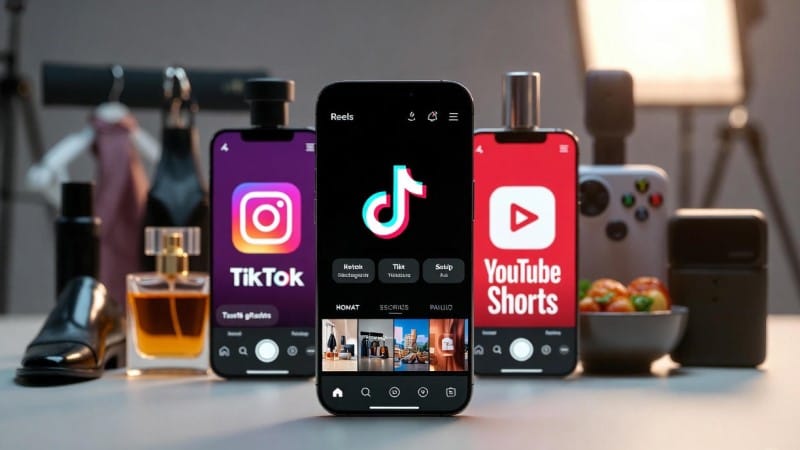
The growth of social media has also transformed expectations. Couples want long cinematic wedding films, but they also want Instagram-ready reels, TikTok edits, teaser trailers, fast-paced travel sequences, and clean 9:16 vertical cuts. These formats require different editing techniques, different pacing, and different sound design. Destination wedding editors today must be able to produce a full range of deliverables, each curated for a platform. For example, a vertical Instagram reel needs tighter framing, faster cuts, bold transitions, and music synced to micro-moments, while the main cinematic film needs slower pacing and emotional depth.
One of the biggest benefits of hiring a specialist destination wedding editor is color grading. Professional colorists understand how to enhance turquoise water, deep sunsets, green landscapes, and warm skin tones without making the video look artificial. They know how to match drone footage with ground footage and how to balance shots taken at different times of the day. With LUTs alone, this consistency is impossible; proper color grading requires manual corrections, curve adjustments, hue isolation, exposure matching, and detailed refinement.
Audio design is another major element that many couples don’t realize is crucial. Destination weddings include natural ambience—waves crashing, birds, wind, crowd conversations, cultural music, and live performances. To make the wedding film immersive, editors clean unwanted noise, enhance dialogues, layer sound effects, and blend the ambience to create a cinematic experience. Poor audio can ruin even the most beautiful visuals, which is why premium editors treat sound design as carefully as the visual edit.
Travel weddings also involve unique cultural and emotional elements. Multicultural ceremonies, traditional rituals, and destination-specific customs must be edited respectfully and emotionally. Editors must understand the importance of pacing, emotional timing, voice-over sequences, slow-motion integration, and montage structure. Every couple’s story is different, and the editor must craft a narrative that matches their relationship, journey, and personalities. A good editor knows when to highlight speeches, when to let music take over, and when to hold a shot longer to capture emotion.
In 2025, another major shift has been the integration of AI in destination wedding editing. While the editor’s creativity and decision-making still drive the storytelling, AI tools help with scene detection, stabilization improvements, audio clean-ups, object removal, and faster clip sorting. This allows editors to focus more on the creative aspects while AI handles repetitive technical tasks. At Edit My Reels, we use a mix of AI-assisted wedding video editing and manual craft to deliver high-quality films faster, especially for destination weddings with hundreds of gigabytes of footage.